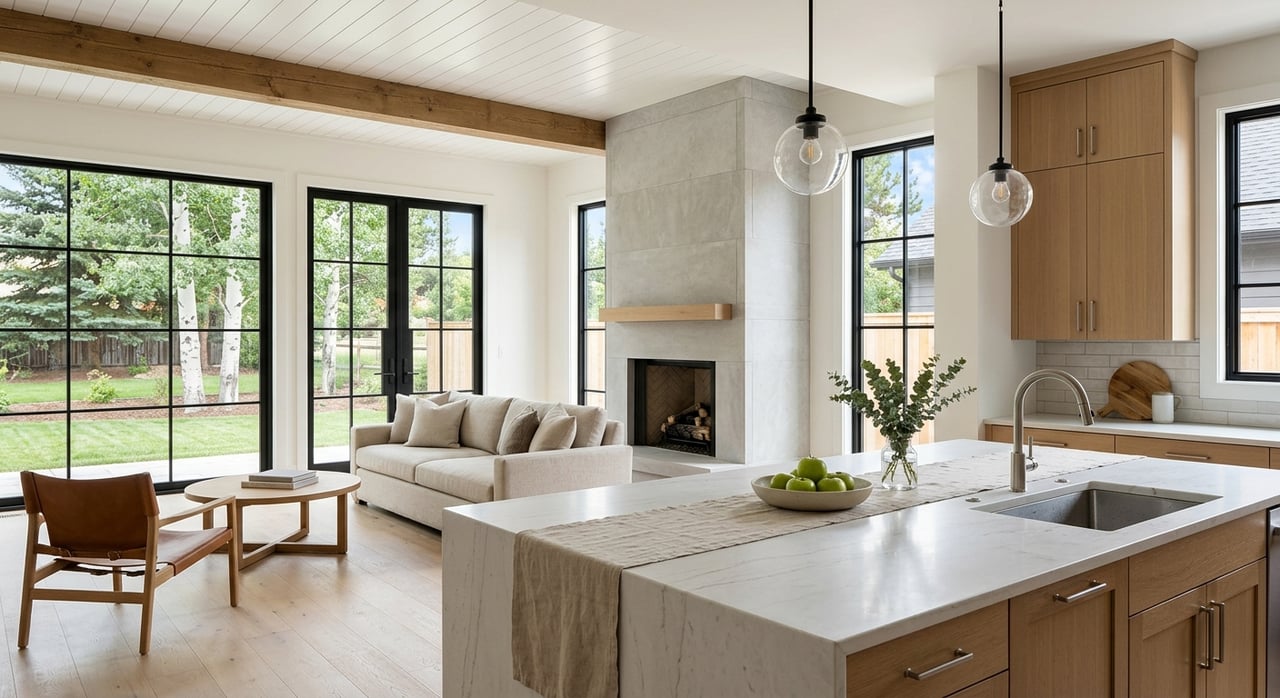
If you are getting ready to sell your home in Billings, one of the biggest mistakes you can make is assuming the market will do all the work for you. Buyers are active, but they are also comparing condition, price, and presentation closely. A thoughtful plan can help you avoid delays, reduce surprises, and make your home stand out for the right reasons. Let’s dive in.
Know the Billings market first
Before you paint a wall or book a cleaner, it helps to understand what the Billings market looks like right now. Recent 2026 snapshots show a fairly tight pricing band, but they also show that sellers should stay realistic. Zillow reported a typical home value of $401,471 in Billings, while Redfin reported a median sale price of $384,770, and Realtor.com reported a median listing price of $430,000 with a median sold price of $381,937.
What matters most is not picking one citywide number and running with it. These reports also show that homes are not all flying off the market at the same speed. Time on market ranged from about 19 days to 73 days depending on the platform, and sale-to-list numbers show homes selling close to list price, not far above it.
That creates a clear takeaway for Billings sellers. Your home needs to be priced from recent local comparable sales and presented well from day one. In a market like this, overpricing often leads to more time on market rather than a stronger final offer.
Billings is a micro-market city
Neighborhood pricing in Billings can vary more than many sellers expect. Realtor.com shows meaningful differences across areas like Billings Heights, West Shiloh, West Central Billings, and East Central Billings. Zillow’s neighborhood data ranges from about $255,122 in Southside to about $501,399 in Blue Creek.
That means your pricing strategy should reflect your immediate area, lot type, finish level, and features such as views. Two homes with the same square footage can compete very differently depending on location and condition. A local pricing strategy matters more than broad city averages.
Prepare your home to feel clear and welcoming
Staging is not about making your home look fancy or generic. It is about helping buyers see the space clearly and imagine how they would live in it. According to the National Association of Realtors 2025 staging report, 83% of buyers’ agents said staging made it easier for buyers to visualize a property as their future home.
There is also a practical payoff. More than a quarter of real estate professionals in that report said staging increased the dollar value offered by 1% to 10%, and about half said it reduced time on market. In Billings, where presentation can influence how quickly buyers respond, simple staging steps can have real value.
Focus on light, space, and simplicity
The most effective pre-sale updates are often the simplest ones. Remove extra furniture so rooms feel more open. Use neutral bedding and decor, and make sure the entry feels clean and inviting.
NAR also recommends packing away personal photos, toiletries, medicines, firearms, and valuables. Fresh towels, tidy closets, and less visual clutter can make a home feel more spacious and easier to picture as a fresh start. Closets should be about half full if possible, which helps signal useful storage space.
Avoid common staging mistakes
Some details can quietly work against you. Overcrowded rooms, bold personal decor, cluttered counters, and ignored entryways can distract buyers from the home itself. Strong paint colors or styling choices may also make it harder for buyers to connect with the space.
The goal is not to erase your home’s character. The goal is to remove unnecessary distractions so buyers notice the layout, natural light, and condition first. Clear, calm spaces tend to photograph better and show better.
Be careful with virtual staging
If your listing will use virtually staged photos, accuracy matters. NAR advises disclosing photo enhancements that materially alter the property. Since listing photos often shape a buyer’s first impression, the images should still give a truthful sense of the home.
Use the pre-listing period wisely
The time before your home hits the market is your best chance to reduce stress later. A little preparation now can help prevent last-minute repairs, confusing paperwork, or avoidable negotiation issues. This is where steady planning can make the whole sale feel smoother.
NAR’s pre-sale guidance points to five smart steps:
- Get a pre-sale inspection
- Organize and deep clean the home
- Obtain replacement estimates for big-ticket items like roofing or carpet
- Gather warranties and manuals
- Improve curb appeal
In practical terms, many Billings sellers benefit from fixing visible issues first. Think worn trim, dirty windows, minor leaks, and tired landscaping. These details can make a home feel less move-in ready, even when the larger bones of the property are solid.
Understand Montana disclosure requirements
In Montana, seller disclosures are not something to leave until the last minute. State law requires sellers in residential real property transfers to disclose known adverse material facts. That includes issues involving title or ownership, water or wastewater systems, utility connections, structural concerns, water intrusion, roof, foundation, plumbing, electrical, heating, windows, doors, appliances, unpermitted additions or alterations, hazards, settling, drainage, and known testing or treatment for things like radon, mold, asbestos, lead paint, or methamphetamine contamination.
The disclosure statement must be provided before or at contract signing. It is not a warranty, and it does not replace buyer inspections. Unless the parties agree otherwise, the contract is not effective until three days after the buyer receives the statement.
For you as a seller, this makes documentation especially important. If you have repair invoices, maintenance records, warranties, appliance manuals, or information about past work, gather it early. A well-organized file can make disclosures easier and help support buyer confidence.
Check permit rules before bigger projects
Not every pre-listing fix needs a permit, but larger work should be checked before you begin. The City of Billings says a building permit is required for almost any construction on private property. Its Building Division FAQ specifically notes permits for items such as roofing, siding, decks, and certain fences.
If you are considering larger repairs or cosmetic projects before listing, make permit research part of your plan. Unpermitted work can create questions later during disclosure or inspection. It is usually better to verify the requirements up front than to scramble for answers after your home is under contract.
Price for momentum, not guesswork
Pricing is one of the biggest factors in whether your sale starts strong or stalls out. Current Billings data show an active market, but not one where every listing can expect a quick bidding war. Homes were reported as taking roughly 19 to 73 days to go pending or sell, and sale-to-list ratios were around 98% to 99.4%.
That kind of market rewards realistic pricing. Buyers are watching value closely, especially when they have enough time to compare options. Pricing based on older listings or hopeful assumptions can lead to less activity and a longer selling timeline.
What strong pricing should consider
A sound pricing strategy usually looks at several local factors together:
- Recent comparable sales
- Your neighborhood or micro-market
- Your home’s condition
- Lot type, views, and setting
- Finish level and updates
- Current buyer demand in your area
This is where local knowledge becomes especially valuable. A citywide average cannot fully capture what makes your property competitive in your part of Billings.
Make showings easy for buyers
Once your home is live, showings become your regular routine for a while. The easier your home is to tour and the more welcoming it feels, the better your chances of keeping buyer interest strong. Buyers often form opinions quickly, so consistency matters.
NAR’s seller showing checklist recommends a simple set of habits that can usually be done in less than an hour:
- Make all beds
- Clear kitchen and bathroom counters
- Wipe surfaces
- Organize the refrigerator
- Neutralize odors
- Swap out towels if needed
- Hide valuables and prescription medication
- Open all window treatments
- Turn on all lights
- Take pets with you
- Clear exterior pathways
These steps may sound basic, but they help your home feel bright, clean, and easy to picture as someone else’s future home. That emotional clarity can make a real difference once buyers walk through the door.
A smooth sale starts before the sign goes up
Selling well in Billings is usually less about one dramatic upgrade and more about a series of smart, steady decisions. Clear pricing, thoughtful presentation, organized documentation, and a realistic understanding of your neighborhood can all help you protect momentum. When you prepare carefully, you give buyers fewer reasons to hesitate.
If you are thinking about selling and want calm, local guidance tailored to your home and your part of Billings, Suzie Countway can help you move forward with confidence.
FAQs
How should you price a home for sale in Billings?
- Price your home using recent local comparable sales, your neighborhood’s current demand, and your home’s condition and features rather than relying on broad city averages or older listing prices.
What home staging steps matter most before selling in Billings?
- The most useful steps are usually decluttering, removing excess furniture, using neutral decor and bedding, packing away personal items, and making the home feel bright, clean, and spacious.
What do Montana sellers have to disclose when selling a home?
- Montana sellers must disclose known adverse material facts about the property, including certain structural, utility, water, drainage, hazard, appliance, and unpermitted work issues, before or at contract signing.
Should you make repairs before listing your Billings home?
- Many sellers benefit from addressing visible issues such as worn trim, dirty windows, minor leaks, and curb appeal items, while also checking local permit requirements before starting larger projects.
What should you do before every home showing in Billings?
- Before each showing, make beds, clear counters, wipe surfaces, open window treatments, turn on lights, neutralize odors, secure valuables and medications, and make sure walkways are clear.